
Today began with one of my favorite ways to experience a city: on foot. I headed out for a beautiful morning run along the Rakevet Trail, which follows the historic 1892 Jaffa–Jerusalem railway line through several Jerusalem neighborhoods, including the German Colony, Baka, Katamon, Pat, Mekor Chaim, and Beit Safafa. Mostly flat, paved, and wonderfully free of traffic, it offers a different perspective on the city, passing through neighborhoods that each have their own personality and character. It was a perfect way to begin what would be a very full day in Jerusalem.
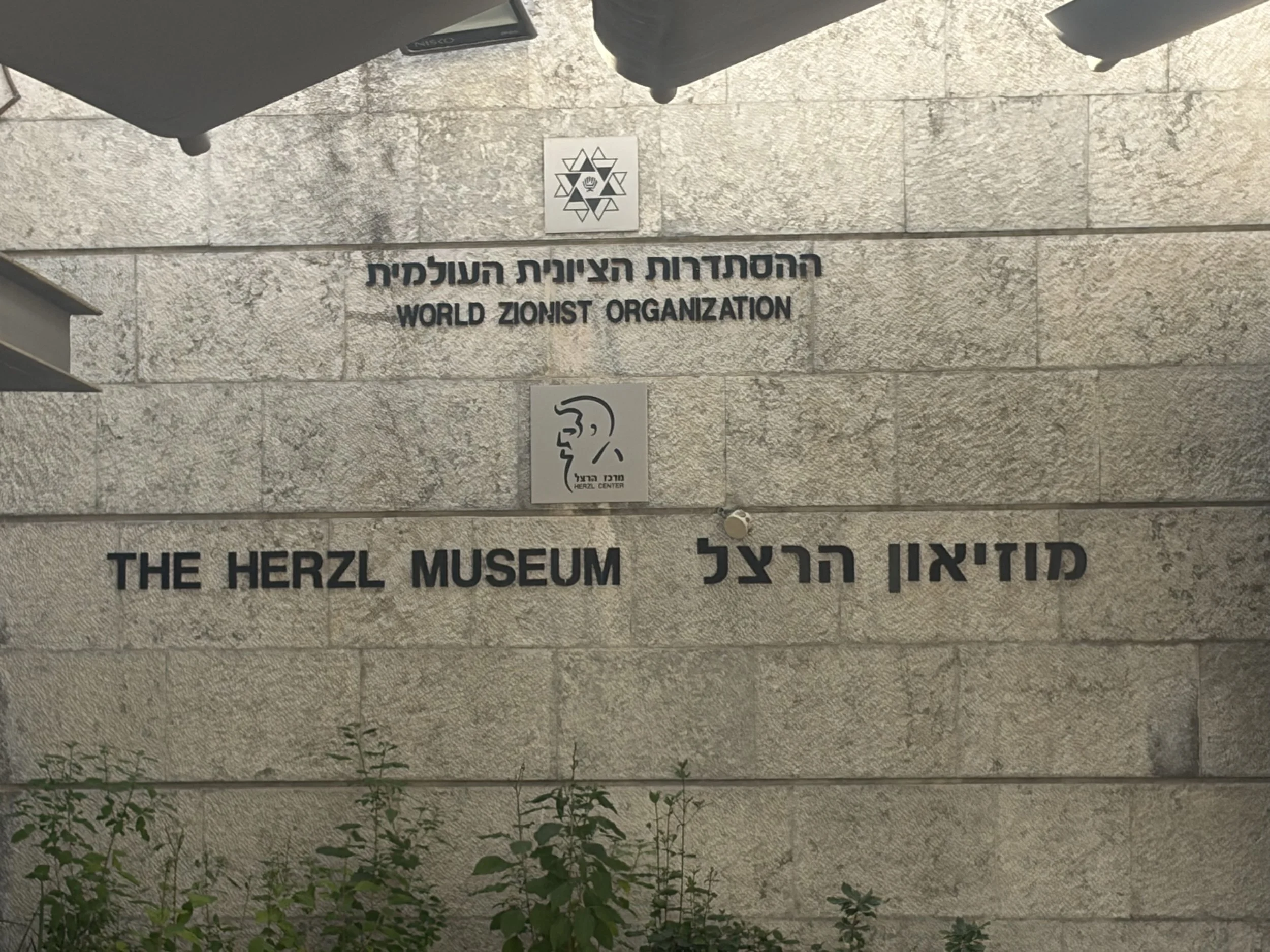
After another epic Israeli hotel breakfast (seriously, this is one meal you never want to miss when traveling in Israel!), we made our way to Mount Herzl, Israel's national cemetery and the final resting place of many of the country's most important leaders and heroes. We began at the Herzl Museum, an immersive experience that tells the story of Theodor Herzl, the father of modern political Zionism. Through film, multimedia presentations, and reconstructed scenes from his life, we followed Herzl's journey from a Jewish journalist in Europe, deeply troubled by the antisemitism he witnessed, to the visionary who imagined a Jewish homeland at a time when that dream seemed almost impossible. He died in 1904, just 44 years old, never living to see the State of Israel established in 1948. And yet, without his extraordinary vision, it is difficult to imagine the Israel we know today. There is something powerful about standing in the place that honors a man whose ideas helped change the course of Jewish history.
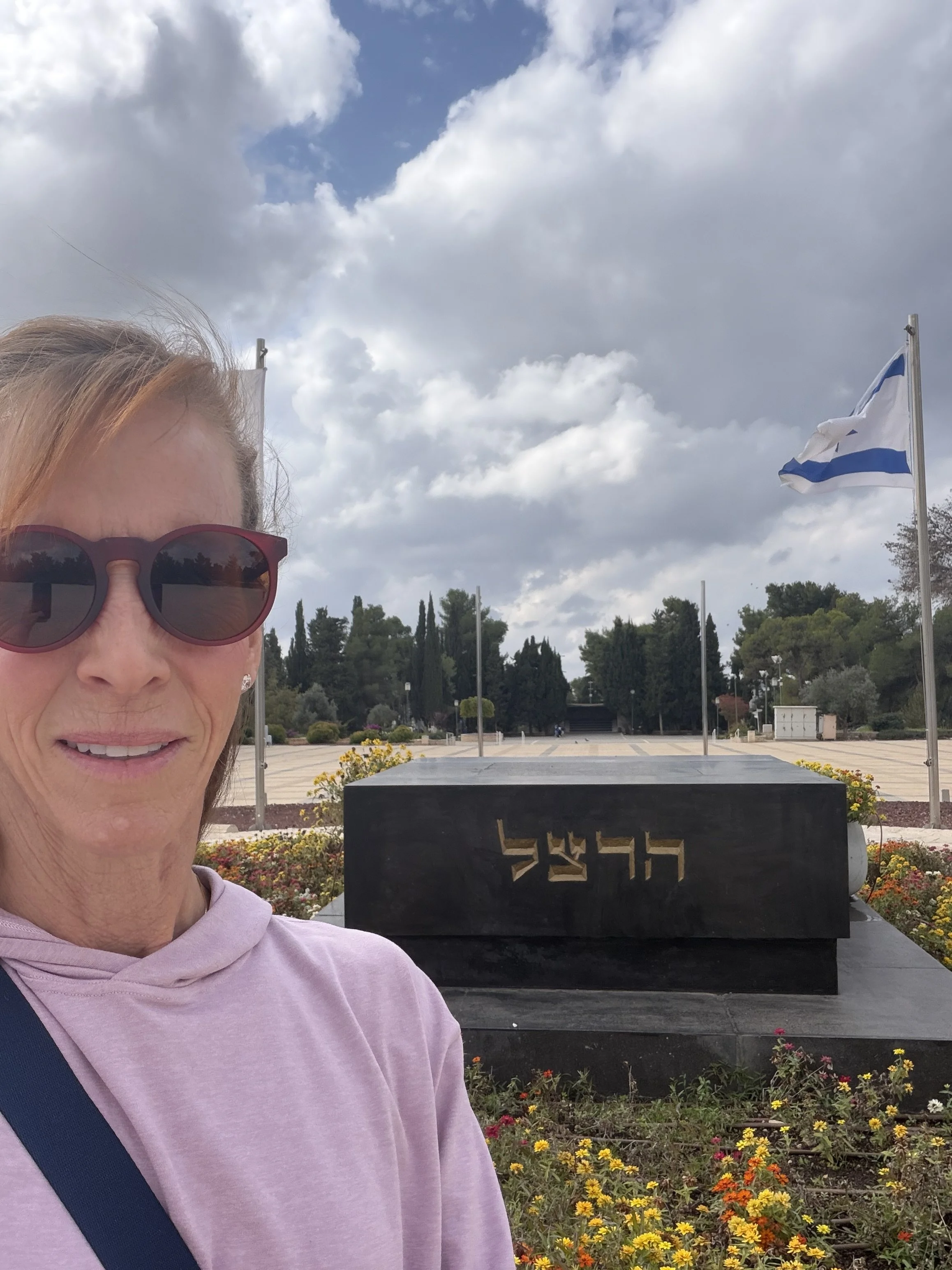
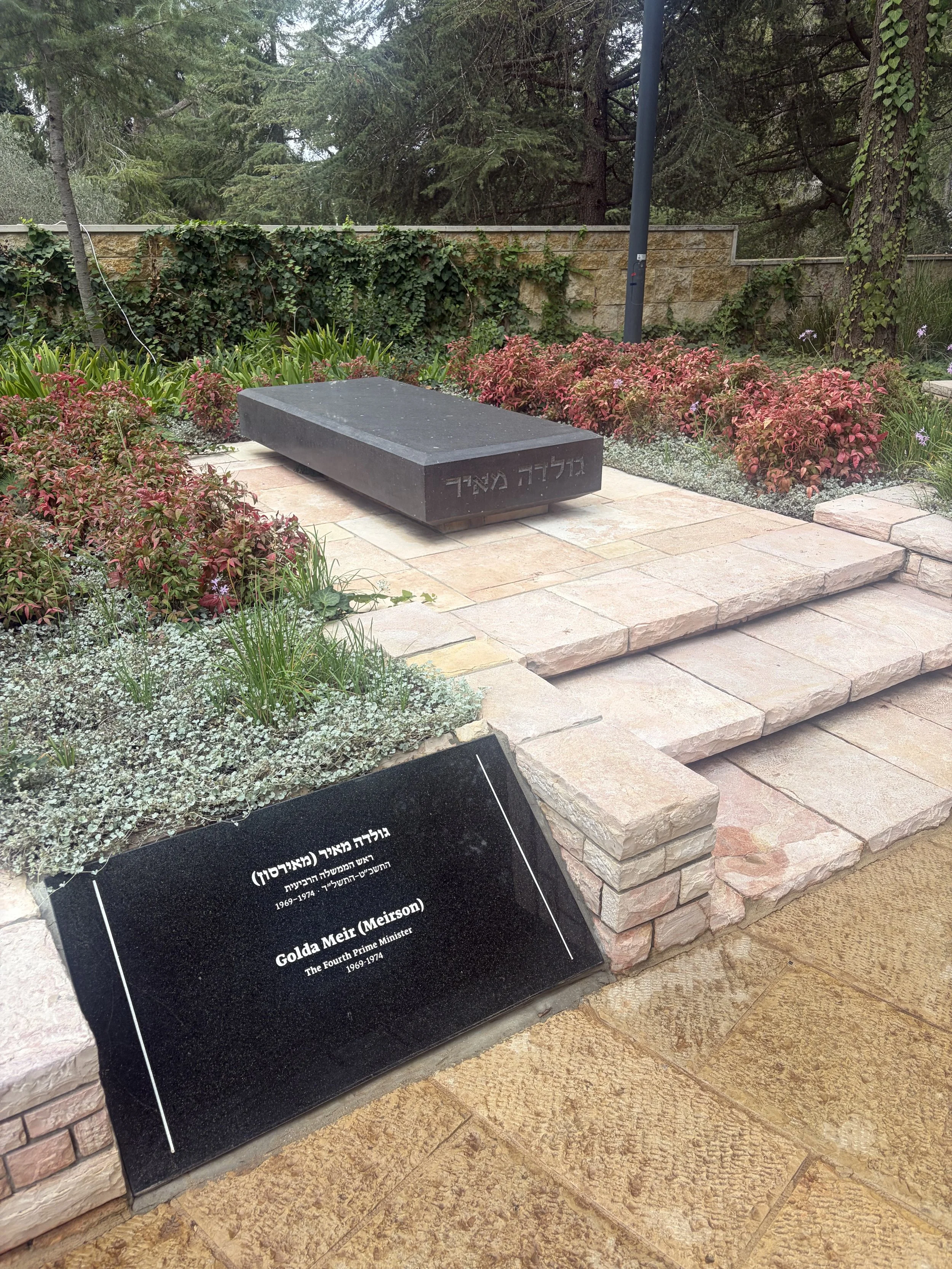
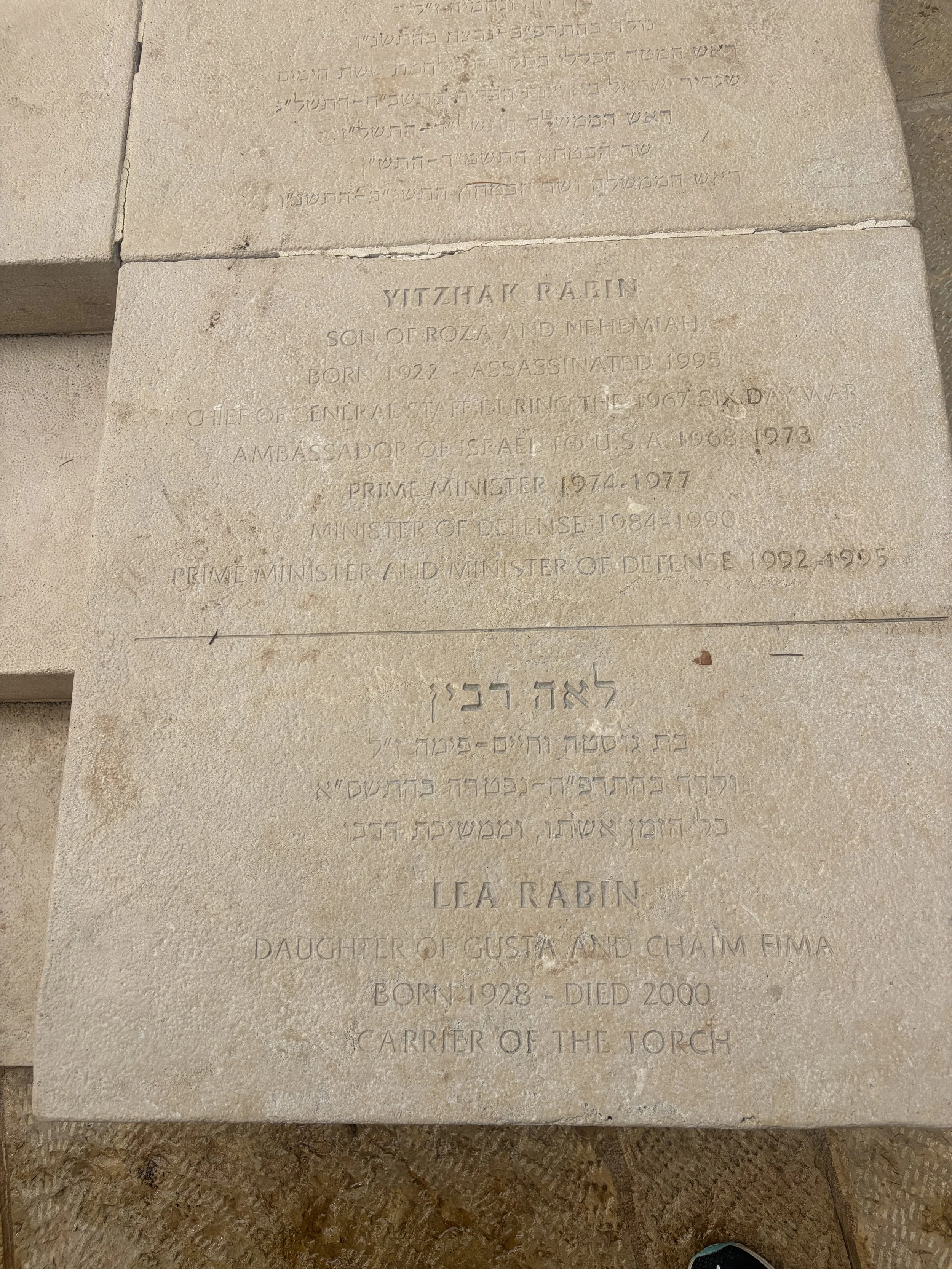
From the museum, we visited the graves of some of Israel's most consequential leaders, including Yitzhak and Leah Rabin. Standing at Yitzhak Rabin's grave is always a particularly emotional experience. A decorated military leader who became one of Israel's most important advocates for peace, Rabin was assassinated in 1995 by a fellow Jew who opposed his efforts to reach an agreement with the Palestinians. He died because he dared to imagine a different future for Israel, one in which security and peace might coexist. His assassination did more than take the life of a prime minister; it exposed a deep and painful divide within Israeli society, one that has never fully healed. The arguments over Israel's identity, its democracy, its relationship with the Palestinians, and the direction of its future that were so violently on display then continue to shape the country today. Standing at his grave, one is reminded that the threats to Israel's future have not always come from beyond its borders. Sometimes the greatest challenges have come from within.
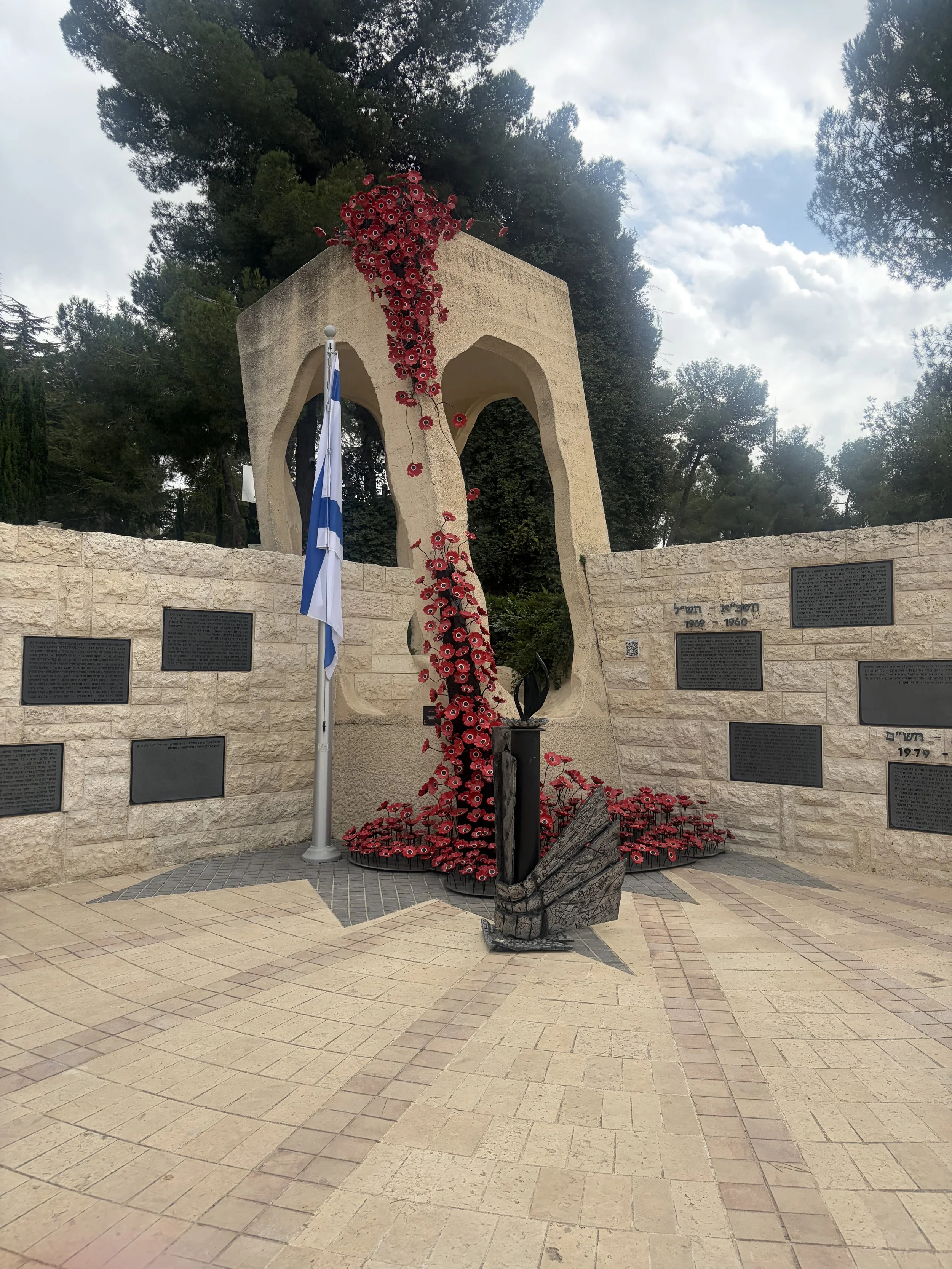
We also visited the memorial dedicated to Israelis who have been murdered in terrorist attacks, dating back to 1919. It is a sobering place, a reminder of the generations of Israelis who have lived with the reality of terrorism and the devastating human cost of that violence. Most recently, the memorial has been expanded with hundreds of ceramic poppies honoring those murdered on October 7. The poppies add a striking visual tribute, each one representing a life lost and a family forever changed. And then we made our way to the military cemetery, where we saw the graves of those killed in the war in Gaza since October 7. Too many. Too young. Too tragic. Row after row of young lives, interrupted far too soon. There really are no words that adequately capture what it feels like to stand in a place like that. The names and dates make the enormous human cost of this war painfully personal. These are not statistics or headlines. They are sons and daughters, husbands and wives, friends and neighbors.
From the weight of Mount Herzl, we headed to the wonderful chaos of Machane Yehuda, Jerusalem's famous shuk. If you have never experienced the market on a Friday afternoon, you are missing something special. The place is absolutely buzzing as Jerusalem prepares for Shabbat. The smells of fresh falafel and shawarma fill the air, alongside stalls piled high with halva, spices, olives, fresh produce, pastries, and just about anything else you might want to eat. Vendors call out to customers, people squeeze through the narrow walkways with their shopping bags, and everyone seems to be moving with a little more urgency as the clock ticks toward Shabbat. In many ways, Machane Yehuda is the heartbeat of Jerusalem. And on a Friday afternoon, you can feel the city preparing to exhale. There is an unmistakable energy, a sense that something sacred and familiar is just around the corner.
After a restful afternoon, some of us decided to make the journey on foot from our hotel into the Old City to welcome Shabbat at the Kotel. There are few experiences in Jerusalem quite like this one. As we approached, hundreds of men and women were already gathered, singing, dancing, praying, and celebrating the arrival of Shabbat. The joy was palpable. People who had never met one another were dancing together, singing familiar melodies, and greeting Shabbat with an enthusiasm that is difficult to describe unless you have experienced it yourself.
I know that the Kotel remains a place of ongoing debate and painful disagreement over access, prayer, and the role of women in this sacred space. Those conversations matter, and they are far from resolved. But I have always found something extraordinary about this place. It is one of the wonders of the world, not simply because of its ancient stones, but because of what it represents to the Jewish people across generations, continents, and circumstances. To stand there as Shabbat begins, surrounded by Jews singing the same prayers and celebrating the same sacred moment, is an experience like no other. For all of our differences, there is something that binds us together in that moment.
And so, after a day spent remembering the people who imagined Israel, those who shaped its history, and those who gave their lives for its future, we welcomed Shabbat in the heart of Jerusalem. It felt as though a calm had finally settled over the city. We returned to the hotel for Shabbat dinner and, eventually, a well-deserved rest.
Another remarkable day in Israel, with stomachs and hearts both very full.